
In the cutthroat world of medical and aesthetic marketing, the real job of a marketer isn’t to sell solutions to genuine health or beauty concerns. The real talent lies in looking at a perfectly functioning body part and convincing the consumer that it simply isn’t good enough.
The cosmetic industry has mastered the art of stepping up, syringe in hand, to tell the patient: “You’re absolutely right, honey, you’re flawed, but I have the perfect fix,” somewhere between $500 and $1,000 to smooth out that little detail.
Below, we break down four masterclass campaigns that show us how to position procedures that, at first glance, seemed completely impossible to sell.
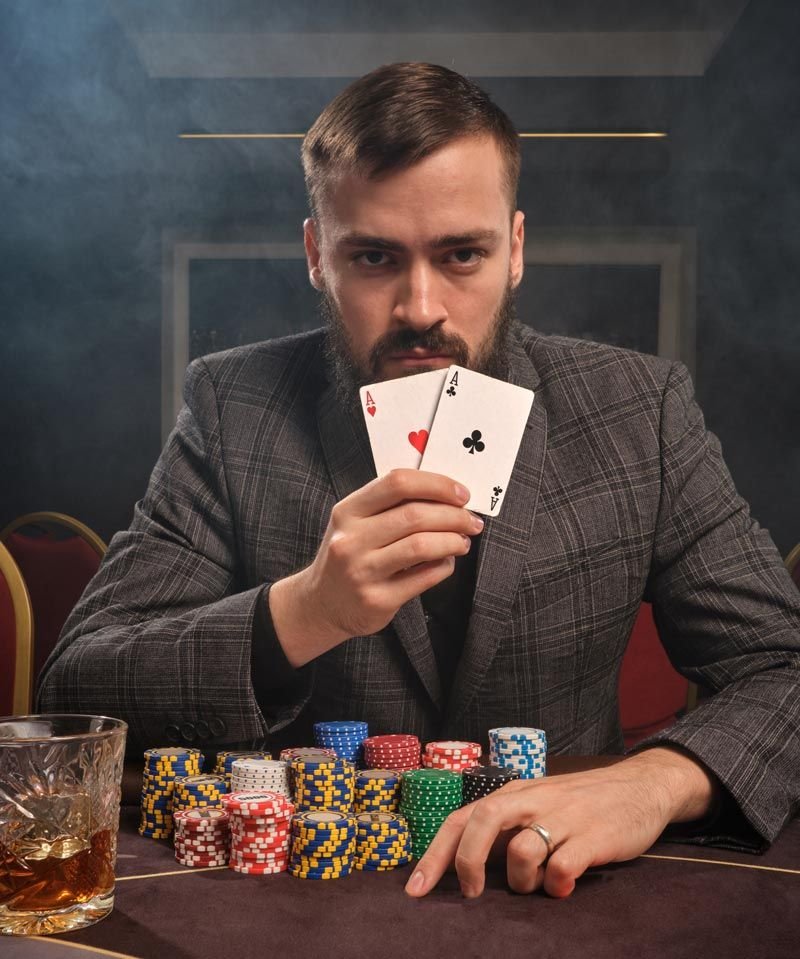
1. Create a niche need and ride the free press: If you want to break the market, invent a vital need the world didn’t know it had. That’s how “Poker Tox” was born — a service offered by a run-of-the-mill physician in cities like New York, designed to inject Botox and paralyze the micro-expressions of poker players, allowing them to manufacture “the perfect bluff” at the table. Although the target audience — professional players — rejected the idea as absurd and ridiculous, the marketing strategy was a resounding success. Why? Because a wave of doctors managed to land coverage across every major media outlet showcasing the novelty. It generated a massive, entirely free advertising campaign through pure controversy, proving that sometimes a procedure doesn’t need to be useful — it just needs to be outrageous enough to grab the press’s attention.
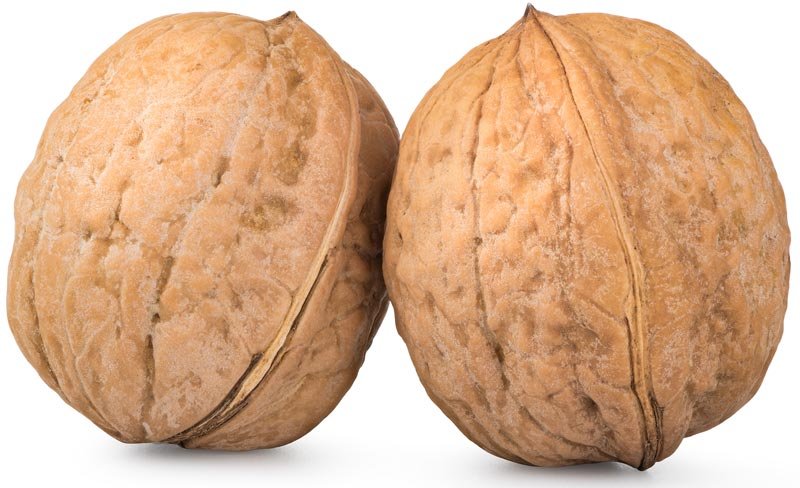
2. Capitalize on social nudging and the fear of falling behind: “Ball Ironing” and “Scrotox” — how do you sell a 45-minute laser treatment aimed at the scrotum for $575 a session? By listening closely to the trends.
When actor George Clooney joked in an interview about having ironed out the wrinkles in that particular intimate area, a cosmetologist in Santa Monica saw a golden opportunity and created the actual procedure. The sales team delivered a masterclass in naming and branding, cycling through brilliant options like “Tight the Tackle,” “Go Nuts,” and “Laser Polish the Crown Jewels.” To sell it, they deployed the normalization technique: comparing it to a Brazilian wax and arguing that “everybody does it now,” while playing into male insecurity by suggesting no man could walk into an important event looking less than polished down there.
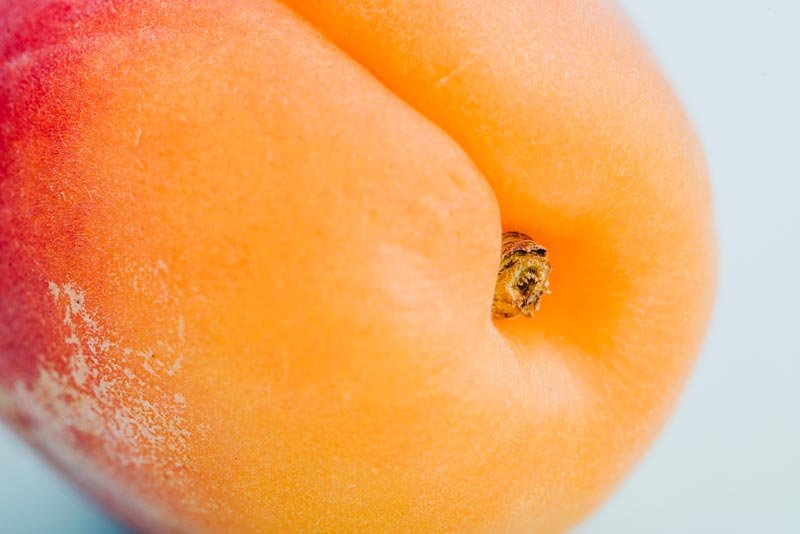
3. Turn a taboo into experiential marketing: This procedure, born in the adult film industry, saw a 23% spike in demand in a single year thanks to a flawless influencer marketing strategy led by reality TV celebrities like Kourtney Kardashian and the cast of Geordie Shore. If a Kardashian does it, millions automatically perceive it as “a mandatory step in being human.”
But the true marketing masterpiece here was the linguistic rebrand. The conversation shifted away from applying abrasive acid and was repackaged under warm, emotionally resonant terms like “self-care,” “intimate wellness,” and “anal rejuvenation.” To seal the deal, forward-thinking clinics turned it into an experiential group activity, offering it as a bachelorette party option where friends sip champagne while waiting their turn, transforming an insecurity into a fun social event.
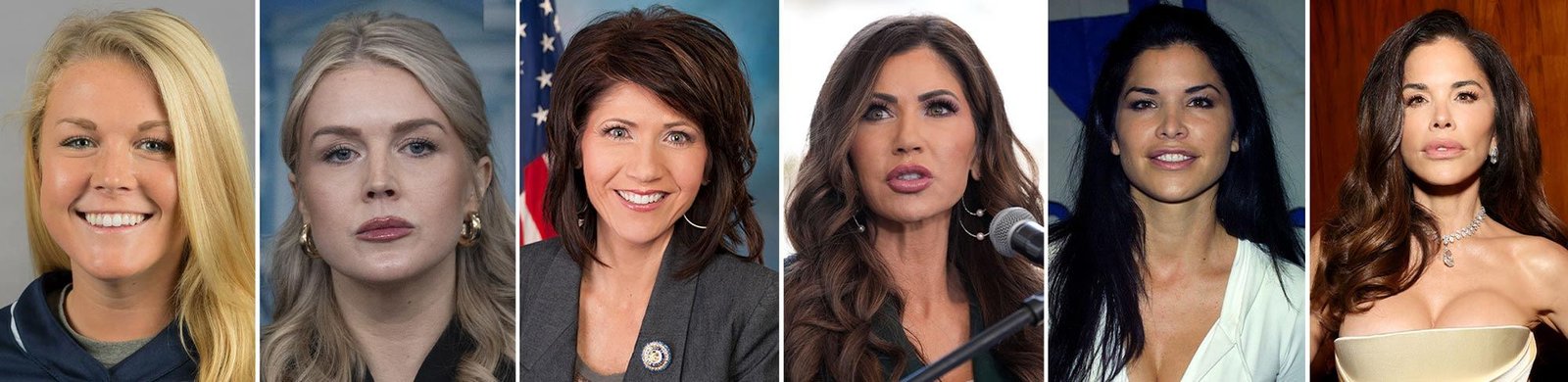
4. Sell status and tribal signaling: The market teaches us that sometimes patients aren’t looking for objective beauty — they’re looking for a “political uniform.” In cities like Washington D.C. and across Florida, we’ve witnessed the rise of the MAGA aesthetic: lips pumped to the max, exaggerated cheekbones, ultra-tight skin, an orange tan, and blindingly white teeth. From a marketing standpoint, subtlety is not the goal. This is a look engineered to “announce itself from a mile away,” functioning as a status symbol — the equivalent of wearing “an obscenely expensive Rolex, but across your entire face.”
To keep this revenue stream flowing at $500 a syringe, practitioners rely on what’s known as “filler blindness”: when patients surround themselves with their own aesthetic tribe, their brains forget what a normal human face looks like — and they always want more product. This guarantees an endless sales cycle fueled entirely by group loyalty.
The success of a radical cosmetic surgery campaign has nothing to do with medical skill or biological necessity. It depends entirely on the ability to leverage social status, influencer endorsement, and a frenzied sense of tribal belonging — all wrapped in clever ad copy — to turn any eccentricity into a need the consumer feels they simply cannot live without.
At Growth Marketing Studios, strategy is in our DNA. No matter how unusual the procedure you’re trying to sell, or how far your target audience seems to be, we make it happen — with measurable, scalable results.
Ready to grow your business? Book a free strategy session and discover how to multiply your results in 90 days.
The article argues that the real skill in cosmetic marketing is not solving genuine health or beauty problems — it’s convincing consumers that a perfectly normal body part isn’t good enough, then selling them a “fix” ranging from $500 to $1,000.
Poker Tox is a Botox procedure designed to paralyze the micro-expressions of poker players so they can deliver a perfect bluff. Professional players dismissed it as ridiculous, yet the campaign succeeded because its outrageous premise landed coverage in every major media outlet — generating a massive, fully free advertising wave driven entirely by controversy.
The campaign deployed the normalization technique — comparing the procedure to a Brazilian wax and framing it as something “everyone already does.” It also leaned into male insecurity, implying that no man should show up to an important occasion looking anything less than polished. This created a fear-of-falling-behind dynamic that drove conversions.
Marketers dropped clinical or uncomfortable language about applying abrasive acid and replaced it with emotionally warm terms such as “self-care,” “intimate wellness,” and “anal rejuvenation.” This reframing lowered psychological resistance and made the procedure feel like an extension of everyday personal care rather than a medical treatment.
Forward-thinking clinics began offering it as a bachelorette party activity — a social event where friends drink champagne in the waiting room while taking turns. This transformed an individual insecurity into a shared, celebratory experience, removing stigma and dramatically lowering the barrier to trial.
The Mar-a-Lago Face is an aesthetic associated with MAGA identity: maxed-out lips, exaggerated cheekbones, ultra-tight skin, an orange tan, and blindingly white teeth. It doesn’t aim for objective beauty — it functions as a tribal uniform and status signal, the facial equivalent of an ostentatious luxury watch, designed to be unmistakable from across a room.
At Growth Marketing Studios, we don’t just run campaigns. We engineer demand from scratch. Every strategy we build is custom-wired to your procedure, your market, and your ideal patient, powered by AI-driven analytics, precision audience targeting, and conversion systems that turn clicks into booked consultations. We’ve decoded exactly how the cosmetic industry transforms the outrageous into the obvious, the taboo into the trendy, and the impossible into a six-figure revenue stream. And we apply that same intelligence to your clinic, at scale. Whether you’re launching a niche procedure no one’s heard of or trying to dominate a saturated market, our technology doesn’t guess: it identifies where your patients are, what language moves them, and what it takes to make them book. The result? Measurable, compounding growth. Not vanity metrics. Ready to find out what’s possible when strategy meets the right technology? Let’s map your 90-day plan.
Message us
support@growthmarketingstudios.com